
Featured Projects
Highlights of my most impactful engineering projects. Explore the previews and jump into the detailed further down.
Autonomous Systems Release Readiness
Live Demo →Platform for validating release readiness.
EV Thermal Management Workbench
Live Demo →Platform for developing and validating battery thermal strategies.
Motor Control Engineering Workbench
Live Demo →End-to-end motor control engineering environment.
Project Portfolio
Detailed project documentation, architecture decisions, implementation strategies, technologies, repositories, and engineering outcomes.
AI & Systems Engineering
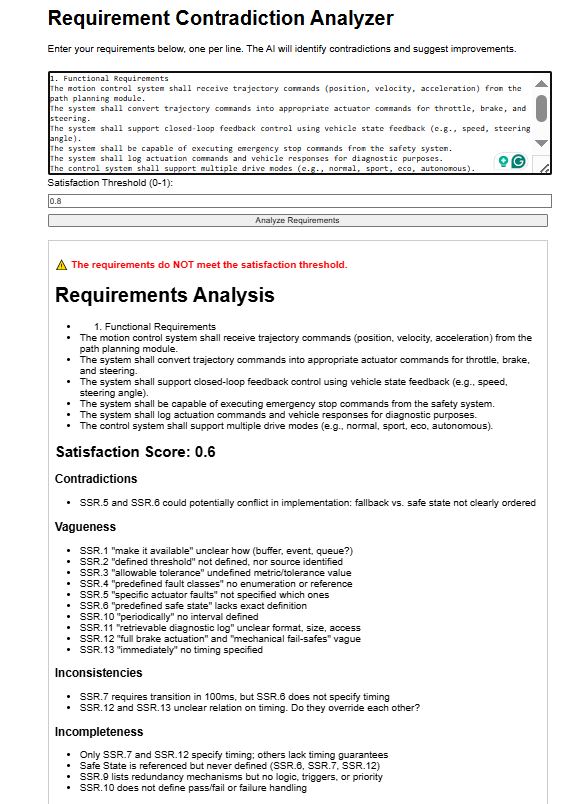
Requirements Analyzer
ActiveOverview
Overview: Engineering requirements are frequently reviewed through manual inspection and subjective interpretation. This often leads to inconsistencies in requirement quality and late discovery of specification issues. Problem: Organizations struggle to objectively assess requirement maturity, identify ambiguous language, detect conflicts between requirements, and evaluate completeness before implementation begins. Solution: Developed an intelligent requirements analysis platform using rule-based reasoning and automated evaluation techniques. The system examines: • Requirement completeness • Ambiguous terminology • Consistency and conflicts • Timing constraints • Performance requirements • Verification readiness The platform generates a quantitative Requirements Satisfaction Score and detailed feedback reports for engineering teams. Impact: • Standardized requirements reviews • Reduced manual review effort • Earlier detection of specification issues • Improved systems engineering quality • Better traceability and requirements governance
Technologies
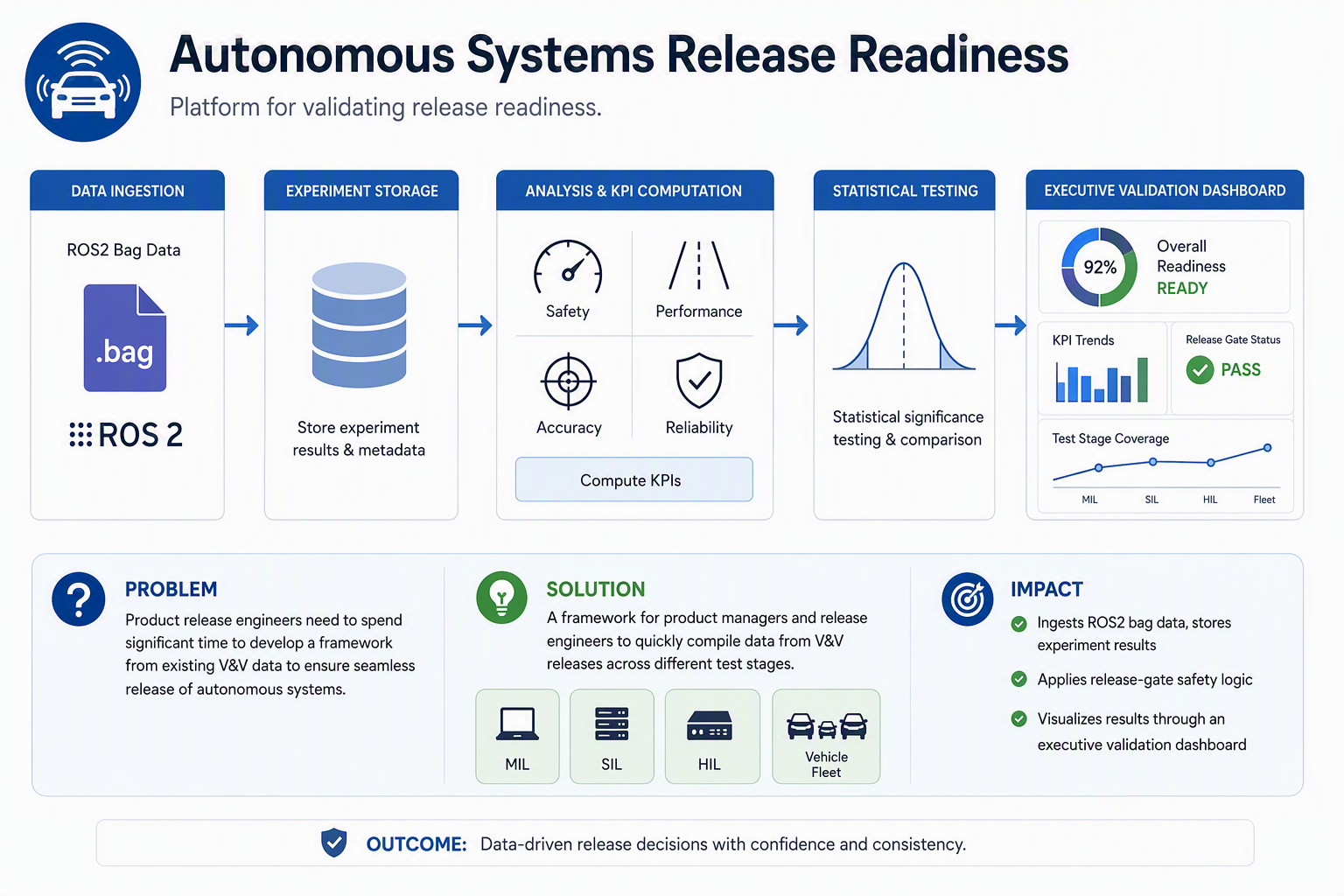
Autonomous Systems Release Readiness
ResearchOverview
Overview: An autonomy validation framework that ingests ROS2 bag data, stores experiment results, computes KPIs, performs statistical significance testing. Problem: Product release engineers need to spend significant time to develop a framewok for release readiness from existing verification and validation data to ensure seamless release of autonomous systems. Solution: Developed a framework for product managers and release engineers to quickly compile data from V&V releases across different test stages techniques: • MIL • SIL • HIL • Vehicle Fleet Impact: • ingests ROS2 bag data, stores experiment results • applies release-gate safety logic • visualizes results through an executive validation dashboard
Technologies
Controls & Automation
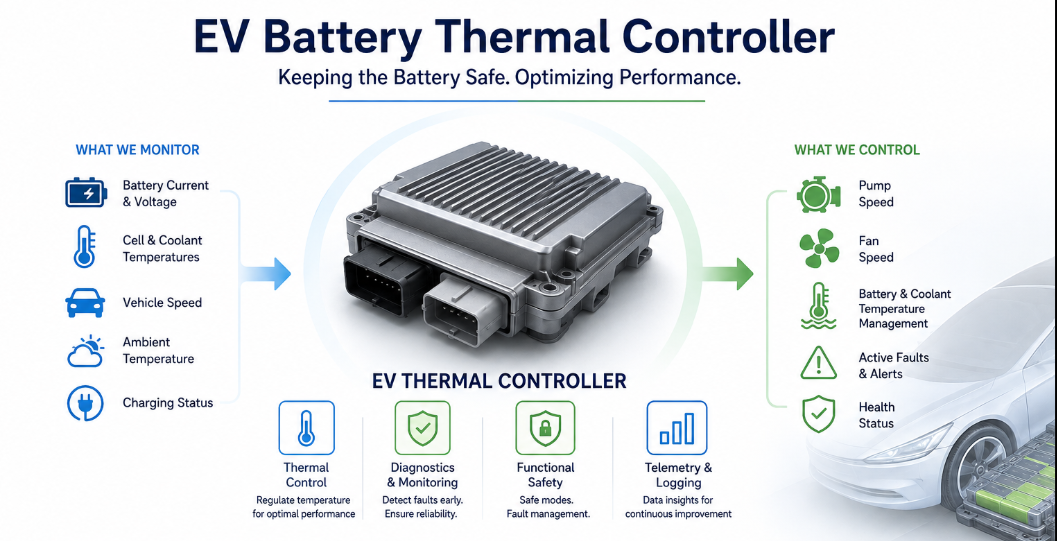
EV Thermal Management Workbench
ResearchOverview
Overview: Battery temperature management directly impacts EV performance, safety, charging speed, and battery life. Problem: Developing thermal management software often requires expensive validation resources and long development cycles. Solution: Created a simulation environment containing: • Battery thermal models • Coolant flow dynamics • Pump control strategies • Thermal fault detection • Controller evaluation capabilities The platform enables rapid experimentation and algorithm development before hardware integration. Impact: • Accelerates controls development • Reduces prototyping costs • Enables earlier validation • Supports model-based design workflows
Technologies
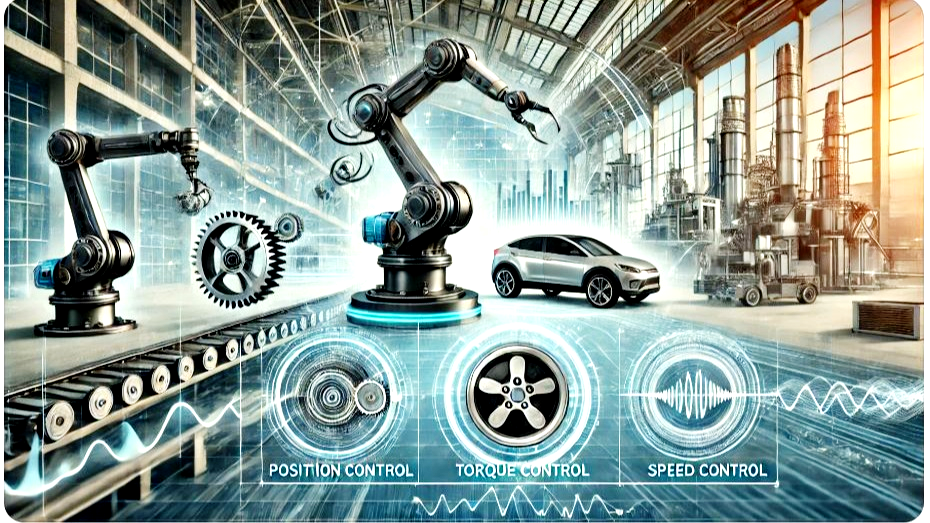
Motor Control Engineering Workbench
ActiveOverview
Overview: Motor control development often requires multiple independent software tools, creating inefficiencies during algorithm development and validation. Problem: Engineers spend significant time moving between simulation environments, analysis tools, and reporting systems. Solution: Developed an integrated engineering workbench that provides: • Motor system modeling • PID tuning • Stability analysis • Frequency-domain analysis • Requirements validation • Automated documentation Impact: • Faster controls development • Improved design iteration speed • Reduced analysis effort • Better engineering productivity
Technologies
Motor Control Workbench
ActiveOverview
Overview: Motor control development often requires multiple independent software tools, creating inefficiencies during algorithm development and validation. Problem: Engineers spend significant time moving between simulation environments, analysis tools, and reporting systems. Solution: Developed an engineering workbench that provides motor system PID tuning Impact: Faster controls development and Improved design iteration speed
Technologies
Predictive Analytics
Semiconductor Wear Prediction in Inverters
ResearchOverview
Overview: Power semiconductor devices experience degradation due to thermal cycling and operational stress. Problem: Traditional maintenance strategies often discover degradation only after substantial performance deterioration has already occurred. Solution: Developed a predictive analytics platform that: • Processes thermal cycling profiles • Evaluates operating conditions • Estimates wear accumulation • Predicts remaining useful life • Supports maintenance planning Impact: • Increased reliability visibility • Earlier fault prediction • Reduced unexpected failures • Improved maintenance planning
Technologies
Data Engineering
Test Data Anomaly Detector
ActiveOverview
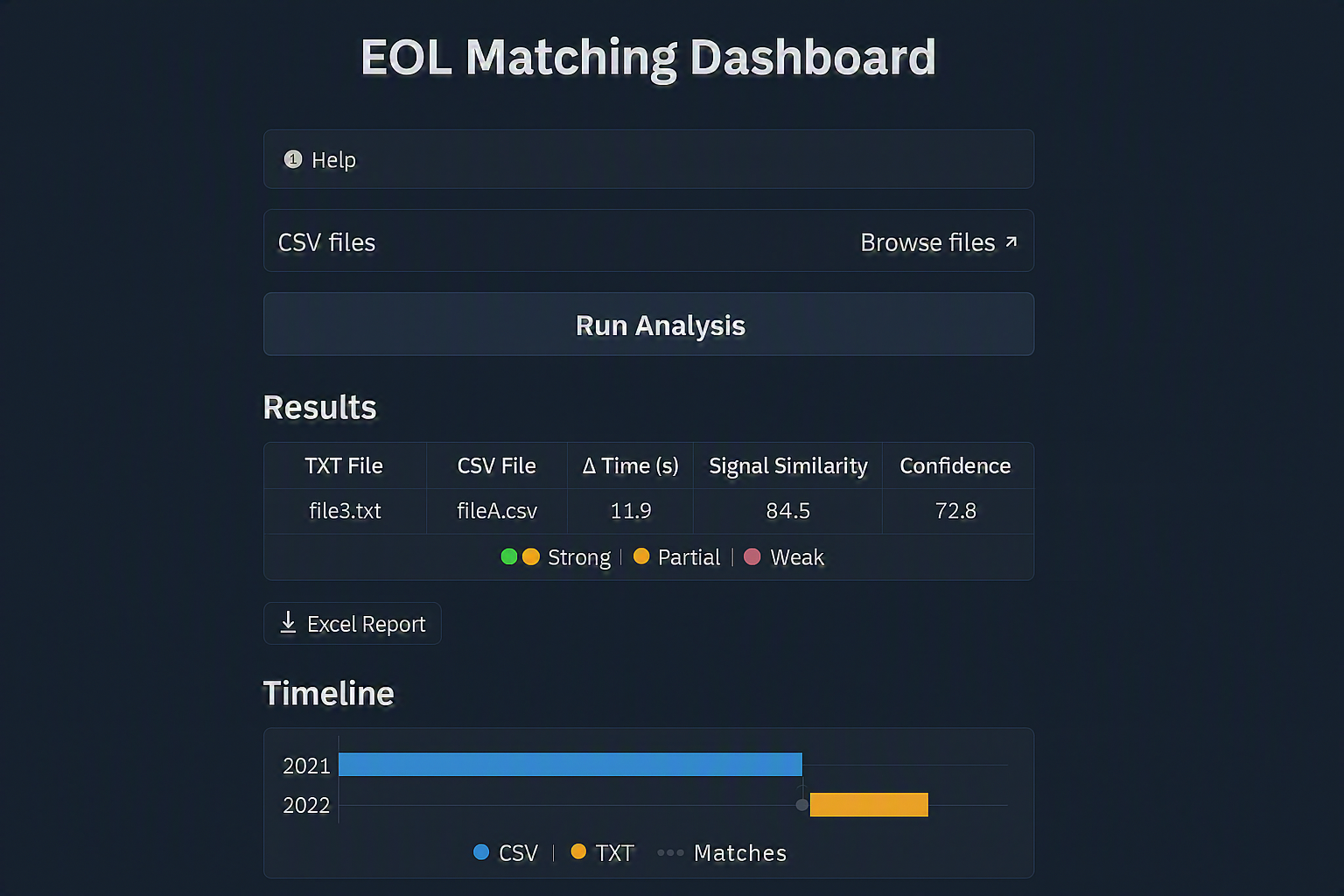
Overview: Manufacturing investigations often require engineers to manually compare results from several disconnected test files. Problem: Correlating EOL datasets across formats is labor-intensive and prone to missed anomalies. Solution: Built a data engineering platform that: • Imports CSV, TXT, and ASCII formats • Aligns signals through timestamp correlation • Calculates similarity scores • Detects anomalies automatically • Visualizes matched data streams Impact: • Faster root-cause analysis • Improved debugging efficiency • Reduced manual comparison effort • Accelerated production issue investigation
Technologies
Productivity Tools
Family Calendar Assistant
In DevelopmentOverview
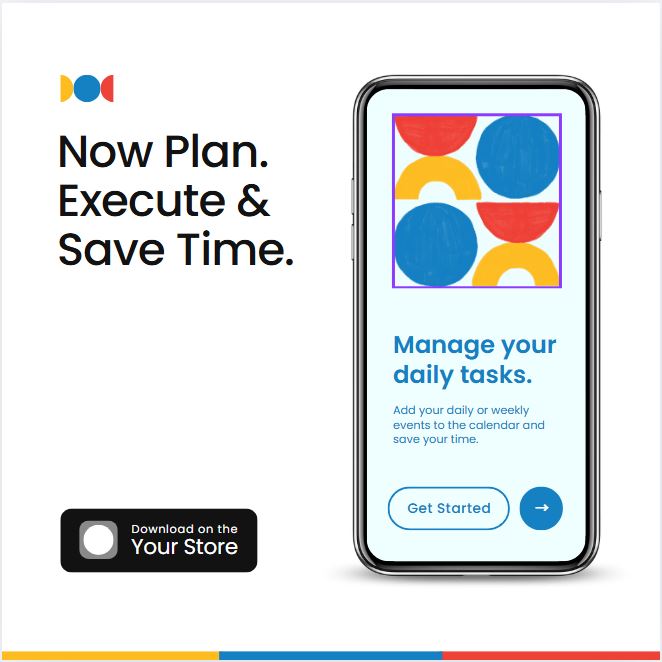
Overview: Family schedule management is frequently fragmented across multiple personal calendars and communication channels. Problem: Conflicting schedules and missed events create planning challenges for households. Solution: Developing a scheduling platform capable of: • Shared calendar synchronization • Conflict identification • Automated reminders • Event planning assistance • Household coordination workflows Impact: • Improved family organization • Better communication • Reduced scheduling conflicts • Centralized planning experience